
Zero-Based Budgeting Features
Unlock the Core Features of Zero-Based Budgeting
This website contains affiliate links, meaning we may earn a commission for purchases made through these links, at no extra cost to you. Our opinions are principled, original and our own. See how we make money. Thank you for your support.
Introduction to Zero-Based Budgeting Features
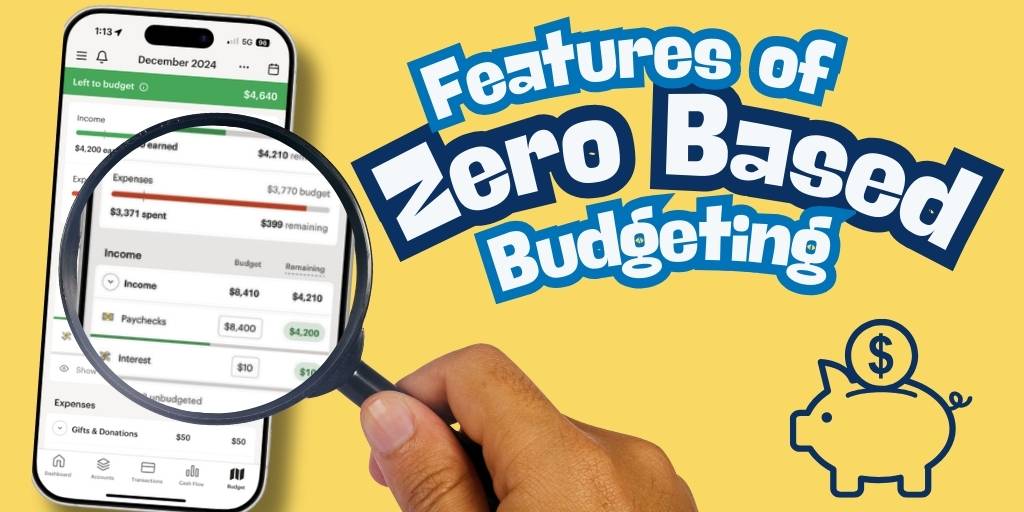
Zero-based budgeting features make this method stand out from traditional personal budgeting by starting fresh and requiring justification for every expense in your household finances. In zero-based budgeting, you build your budget from scratch each month or period, highlighting essential traits that encourage mindful spending and alignment with your financial goals. This page delves into the core features of zero-based budgeting, offering a straightforward explanation of its unique qualities.
Core Features of Zero-Based Budgeting
Below, we outline the main characteristics that define this budgeting approach for personal use.
1. Zero-Base Starting Point
One of the standout zero-based budgeting features is beginning each budget cycle from scratch. Unlike incremental budgeting, which tweaks last month’s spending, zero-based budgeting assumes no automatic carryovers. This feature prompts you to reassess all expenses without relying on past habits, ensuring every dollar is intentionally allocated based on current needs.
2. Comprehensive Justification of Expenses
A fundamental feature of zero-based budgeting is the justification of every expense. From essential bills to discretionary purchases like dining out or hobbies, each item requires a clear reason, such as its role in meeting goals or covering necessities. This trait prevents autopilot spending and curbs unnecessary costs by linking your budget to your goals.
3. Involvement of Household Members
Collaboration is a key feature of zero-based budgeting. Couples each contribute to identifying and ranking financial needs, building accountability and ensuring the budget reflects shared values and responsibilities.
4. Prioritization
Prioritization is one of the vital zero-based budgeting features. Expenses are prioritized according to need. This process helps direct limited income to essential needs so that remaining funds can be used towards goals.
5. Flexibility in Resource Allocation
Zero-based budgeting features strong adaptability, letting you adjust allocations as life changes occur. Unlike the more rigid 50/30/20 budget method, this characteristic supports moving funds where they are needed most relative to your overall goals.
6. Emphasis on Cost Control and Efficiency
A core feature of zero-based budgeting is its built-in focus on optimizing spending. By challenging every expense, it sparks creative solutions and habit improvements, often revealing ways to cut redundancies or find cheaper alternatives that boost your financial health.
How Zero-Based Budgeting Features Differ from Traditional Methods
To emphasize the distinctiveness of zero-based budgeting features, note how they vary from conventional personal budgeting. Traditional methods often roll over past spending without question, whereas zero-based budgeting’s zero-start and justification demands create a more intentional and responsible system. This difference explains why many individuals choose zero-based budgeting for better control over their money.
| # | Zero-Based Budgeting Feature | How It Works in Personal Budgeting | Traditional Budgeting (Incremental / Envelope / 50-30-20) |
|---|---|---|---|
| 1 | Zero-Base Starting Point | Every month starts at $0 – nothing is automatically carried over from last month. | Automatically carries over or adjusts last month’s numbers (incremental) or uses fixed percentage rules (50-30-20). |
| 2 | Comprehensive Justification of Every Expense | You must give every dollar a specific job and justify why it’s needed this month. | Many expenses are accepted without question if they were in last month’s budget or fit a preset category. |
| 3 | Activity-Based / Decision-Package Focus | Budget is built around specific goals or activities (e.g., “vacation fund,” “car maintenance”). | Budget is usually built around broad categories (rent, groceries, fun) without tying dollars to specific outcomes. |
| 4 | Involvement of All Household Members | Everyone in the household discusses and agrees on priorities each period. | Often created by one person with little or no input from others. |
| 5 | Built-In Prioritization & Ranking | You rank expenses and goals; lower-ranked items only get funded after higher ones are covered. | No formal ranking – money is spent in whatever order bills arrive or impulses hit. |
| 6 | Maximum Flexibility & Adaptability | Easy to shift money between categories because nothing is “locked in” from previous months. | Harder to reallocate – either stuck with last month’s numbers or rigid percentage/envelope rules. |
| 7 | Strong Emphasis on Cost Control & Efficiency | Forces you to question and optimize every expense every single month. | Expenses can drift upward over time because they’re rarely re-examined from scratch. |
Common Applications of Zero-Based Budgeting Features
Zero-based budgeting features shine in variable personal situations, like managing irregular income, debt reduction, or saving for big goals. For example, in households with fluctuating expenses, the justification and prioritization elements help maintain discipline while supporting lifestyle needs.
FAQs on Zero-Based Budgeting Features
Conclusion: Why Zero-Based Budgeting Features Make It a Game-Changer for Personal Finance
The zero-based budgeting features — starting from zero, justifying every dollar, and prioritizing intentionally each period — deliver unmatched clarity, flexibility, and control. Unlike traditional methods, they eliminate autopilot spending and ensure your money always serves your current goals. That’s why zero-based budgeting features transform ordinary budgets into powerful tools for financial freedom.
Explore more in this series:
- Advantages & Disadvantages of Zero-Based Budgeting
- Step-by-Step Process of Zero-Based Budgeting
- Zero Based Budgeting Eaxmple
- Steps of Zero Based Budgeting
You’ve got this. Return to the Complete Guide to Zero-Based Budgeting
Grab our free Zero-Based Budgeting PDF download that cuts setup time by 50%