
Balancing finances can be a challenge, especially as we near retirement age or face ongoing financial stress. Many of us have tried to take control by just tracking our spending, but that approach often leaves us wondering why our situation never actually improves. Today, we’re highlighting the difference between tracking spending vs zero-based budgeting. Our goal is to share our real-life experiences and show the impact each method had on our path to financial freedom.
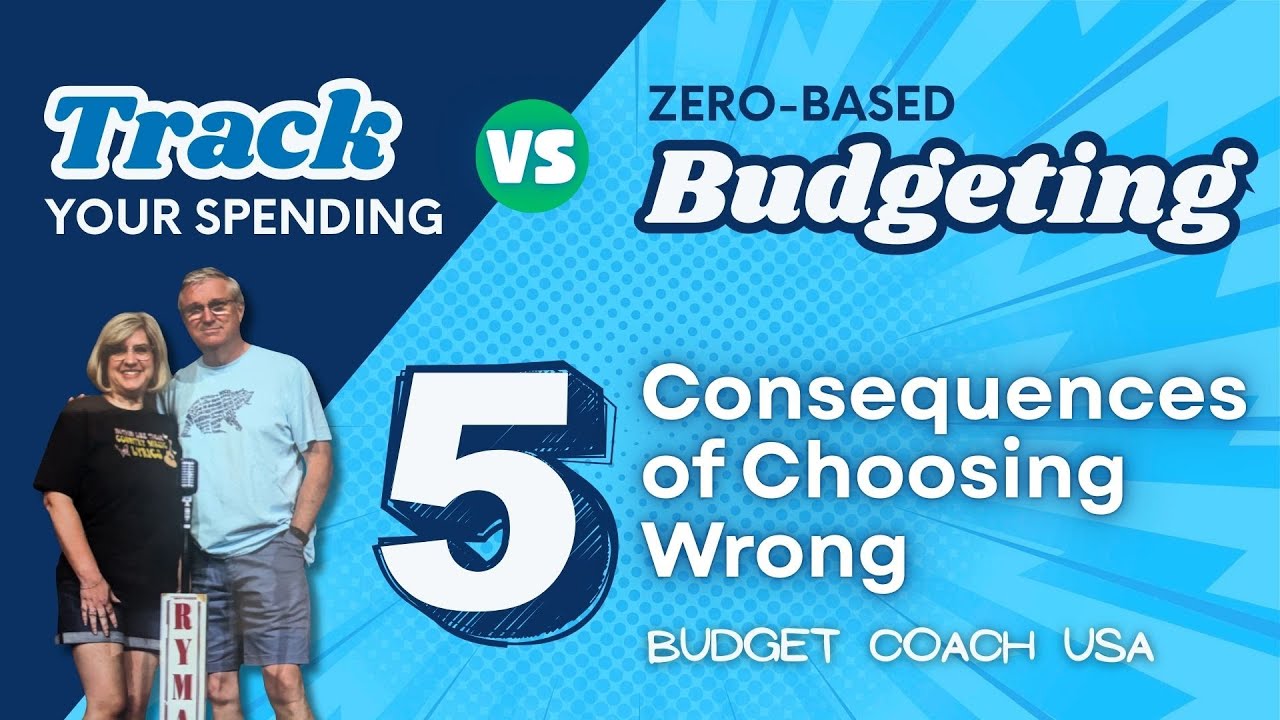
Let’s break down the difference, the five biggest consequences we faced when only tracking spending, and how switching to zero-based budgeting changed everything for us.
Understanding the Basics: Tracking Spending vs Zero-Based Budgeting
What Does Tracking Spending Really Mean?
When we talk about tracking spending, we’re talking about recording where our money goes after we’ve spent it. It’s a bit like keeping a food log after eating—helpful for spotting habits, but not great for stopping bad ones before they start.
We used the envelope system as our main way of tracking. Each month, we put cash into envelopes marked for groceries, clothing, or household needs. When the envelopes were empty, the spending stopped. This system worked to keep overspending at bay and gave us some sense of control…but only in the short run. The amount of money we put into the envelopes wasn’t really tied to any budgeting strategy so in the end, the only value we got from the exercise was to know mostly where our money went. Not much else.
The limits of tracking spending vs zero-based budgeting
- Only looks at past spending, not future goals
- Keeps us reactive, not active, in our financial choices
- Provides little direction for big-picture plans like retirement, emergency savings, or big purchases
What is Zero-Based Budgeting?
With zero-based budgeting, we plan where every single dollar will go before the month starts. That means every penny of income gets assigned a purpose—saving, spending, or paying off debt. When the month begins, we already know exactly how we’ll use our money. So a zero-based budget is proactive instead of reactive.
Zero based budgeting has worked better for us
- We assign our money before it is spent instead of wondering where it went
- Our spending matches our priorities, dreams, and goals
- We plan for the future instead of just explaining the past
For a deeper dive, check out Zero-Based Budgeting: What It Is And How It Works.
Key Differences: Tracking vs Zero-Based Budgeting
- Tracking spending: Looks backward, records past spending, like an “autopsy” of our financial life.
- Zero-based budgeting: Plans for the future, assigns every dollar a job, lines up spending with what matters most.
Here’s a quick list for clarity:
- Tracking Spending
- Records what happened
- Highlights bad habits
- Reacts to crises
- Zero-Based Budgeting
- Gives every dollar a plan
- Reduces surprises
- Supports long-term goals
The 5 Consequences of Only Tracking Your Money
When we relied only on tracking, we did not feel anchored to any real goal and never really moved forward. Here are five consequences we experienced that might sound familiar.
1. Accumulating Debt Over Time
When emergencies hit—like a car repair bigger than our “auto” envelope or a sudden house expense—we simply didn’t have a plan. Out came the credit cards.
Accumulated debt slowly crept up without us realizing. We thought tracking spending would keep us safe, but it had us stuck patching holes with borrowed money.
“We weren’t prepared for emergencies because the envelopes only covered routine spending. When something big hit, we reached for the credit card.”
2. No Emergency Fund Savings
Without planning ahead, we never built up an emergency fund. That meant any surprise sent us back to point one: using credit and digging deeper.
- No dedicated savings for car breakdowns or medical bills
- Each “unexpected” expense meant more debt
- Never any cushion to help us feel secure
Without savings, emergencies meant extra debt again and again.
3. Little or No Retirement Savings
Despite getting regular paychecks, our “watch and react” habit meant we didn’t actively put money toward retirement. We lost years we could have been growing nest eggs or maxing out accounts like Roth IRAs.
Here are some structured savings paths we missed:
- Roth IRA contributions
- 401(k) or matching employer-sponsored plans
- Long-term investments
Without a plan that prioritized our future, retirement kept slipping further from reach.
4. Stress and Anxiety from Financial Uncertainty
The pressure built up as our financial safety net vanished and debts climbed. We lived on pins and needles, wondering how we’d cover the next emergency or if we’d max out another credit card.
Stress, anxiety, and uncertainty became daily feelings. The lack of control made us anxious about every dollar.
A small setback—like a car repair—became a crisis. We found ourselves stuck in a cycle of worry every time bills came due and cards crept toward their limits.
5. Living Paycheck to Paycheck
We worked hard, waited for payday, paid bills, then counted down the days until the next check. This pattern trapped us in a loop with no real progress.
The repetitive cycle looked like this:
- Get paid.
- Pay bills immediately.
- Wait until next payday, hoping nothing unexpected happens.
- Repeat.
We weren’t gaining ground, just keeping up. There was no margin and no hope of getting ahead.
How Zero-Based Budgeting Changed Everything
Deciding to stop the cycle was the best choice we ever made. When we shifted to zero-based budgeting, we moved from chasing our money to telling it where to go each month. And everything started to change.
Allocating Every Dollar Before the Month Starts
We started by sitting down before each month to assign a job to every dollar from each paycheck. Instead of waiting for emergencies, we planned future spending, aligning it with our goals and real needs. And to make sure we didn’t overspend we learned to say “no” to wants even when it was hard to do so.
- Set priorities before the month began
- Planned for emergencies, savings, and even fun
- Built control and peace of mind into every decision
Eliminating Debt, Step by Step
We committed to using the extra money saved by budgeting to pay off debt, starting with credit cards, car loans, and medical bills.
Our debt payoff strategy included:
- Listing all debts and minimum payments
- Applying any extra budget “margin” to the smallest debt first
- Celebrating each win—month by month
It took a few years, but we paid off everything and became debt free. With each debt eliminated, we gained more margin and lower stress.
Building Emergency Fund Savings
With zero-based budgeting, we made saving for emergencies non-negotiable. Little by little, using our zero-based budget every money, we built a cushion that finally broke the cycle of debt.
- Set an emergency fund goal (at least 3-6 months of expenses)
- Added to it monthly, even if the first steps were small
- Used it only for real emergencies, which freed us from credit cards
Having these savings in place meant we could weather a job loss or large expense without panic.
Breaking Free from Paycheck-to-Paycheck Living
Zero-based budgeting created room for us to breathe. Now, when paychecks arrive, they’re added to the plan—no anxiety, no “hoping” we make it to payday.
Here’s is a quick quiz for anyone struggling to get control of their money:
- Do you always run out of money before payday? Or rely on payday to get caught up?
- Are you unable to cover a $1,000 emergency without credit?
- Are you able to direct every dollar of income toward a specific purpose and say “no” to unbudgeted spending?
When we could answer “no” to the first two, we knew we were truly gaining control.
Today we live completely debt free including our home. Our retirement savings are on track and we have extra money for nice vacations and a few luxuries at home. Our stress levels are low and we have real confidence in our future.
Final Tips for Making the Switch
Moving from tracking spending to zero-based budgeting isn’t easy, but it’s so worth it. Here’s what we learned on the way:
Assess Your Spending Appetite
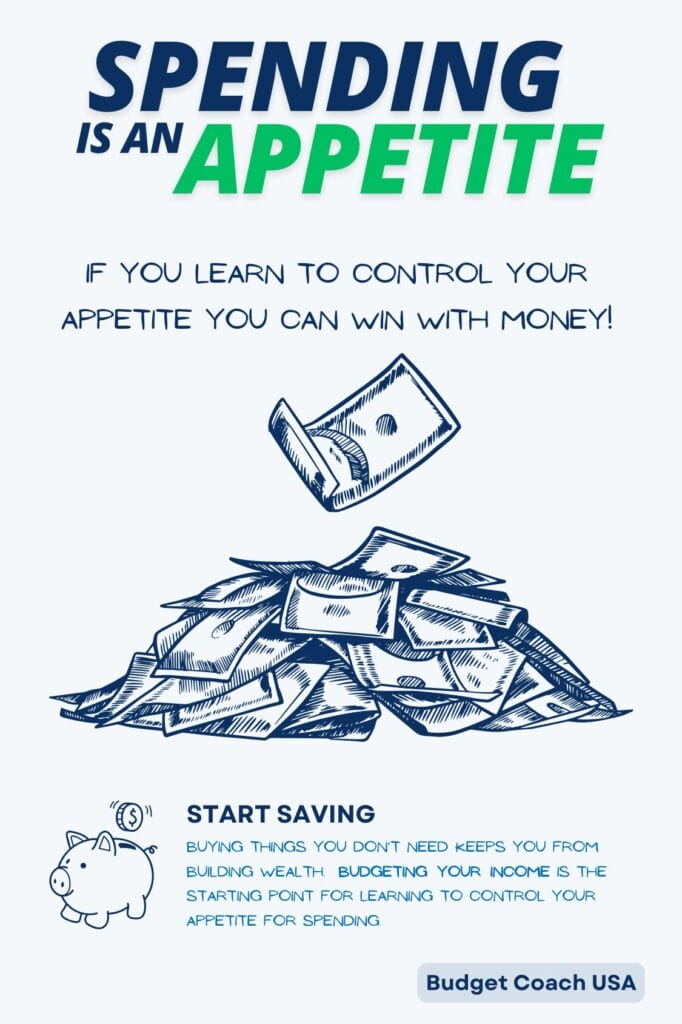
Spending money is like having an appetite—if you don’t manage it, you’ll always feel hungry for more. We learned to say “no” to unnecessary purchases and started to see our budget as the plan to become financially free. Believing in the plan made saying “no” and using discipline in our spending easier.
Try writing down what triggers you to spend. Awareness is half the battle.
Start Budgeting Before the Month Begins
The secret to zero-based budgeting is giving every dollar a job before you spend it. Create basic categories that fit your life: needs, wants, savings, debt.
Starting steps:
- List expected income for the month.
- Assign every dollar to a category—expenses, savings, debt. Prioritize all extra money you can free up to paying off your debt.
- Adjust each month as you fine tune your budget to accomplish your goals.
If you’re new, resources like Fidelity’s explanation of zero-based budgeting can help clarify the method with simple visuals and examples.
Stick to Your Budget and Adjust as Needed
Real life is messy, so be ready to move money between categories if something unexpected happens. But stick to your priorities—don’t let “wants” eat into emergency funds or savings.
Saying “no” gets easier over time, especially when you see your progress.
Develop Margin to Reach Your Goals
“Margin” is the money left after all basic needs are assigned. At first, our margin was tiny, but every extra dollar helped—whether for savings, extra debt payments, or just peace of mind. As we paid off our debts our margin grew and progress moved faster too.
Here’s a list of priority goals to keep in mind:
- Debt payoff (credit cards, loans)
- Emergency fund savings (3-6 months of expenses)
- Retirement savings (IRA, 401(k))
- Investments for long-term growth
Even small wins matter. Celebrate them.
Encouragement and Motivation: You Can Move from Tracking Spending to Zero Based Budgeting Too
It’s normal to feel stuck or overwhelmed by money—especially when you’ve worked hard but still live paycheck to paycheck. We’ve been there. The truth is, the hardest part is deciding to make a change.
Giving every dollar a plan broke our old cycle. It didn’t happen overnight, but seeing debts disappear and savings grow was worth every hard decision along the way.
Remember:
- Progress matters more than perfection. You’ll get better as the months go by so don’t get discouraged.
- Zero-based budgeting is a skill you can learn. And as you learn your expenses and income better it will get easier as time goes by.
- Control over money creates less stress—and more options for the future. Budgeting turns chaos into calm.
Share your story or budgeting journey in the comments. If you’ve found this helpful, please like and subscribe to our You Tube Channel to keep more content like this coming. We’re always learning, and so can you.
You can change your financial future—one dollar (and choice) at a time.
Take it from a former money dummy, there is a better way.