
Saving Money in Your 50s: Your Complete Guide to Catching Up Fast.
Because Those Atari Cartridges Aren’t Funding Your Golden Years.

Best Ways to Save Smart

Guides to Save Smart

Calculators for Smart Saving
Saving Money in Your 50s: An Overview
If you’re saving money in your 50s as a Gen Xer, you’re navigating peak earning years alongside rising costs like healthcare and family support—but it’s prime time to catch up on retirement savings. With many in this age group facing debt from earlier priorities (Federal Reserve data shows average non-mortgage burdens at $40,000+), learning how to save for retirement in your 50s through smart habits can add $100,000+ to your nest egg via compound growth and expense trims.
Saving money in your 50s requires a strategic approach that balances aggressive saving, smart spending, and preparing for healthcare costs while navigating midlife financial demands. Focus on “save smart” methods like automated accounts, then “spend wise” with frugal guides to free up cash for retirement savings. Explore overviews here, then dive into tools for more detailed information.
Why Saving Money in Your 50s Matters for Catching Up
Saving money in your 50s isn’t optional—it’s essential for closing gaps, with AARP noting many Gen Xers fear Social Security won’t be there when they need it. IRS catch-ups ($7,500 extra to 401(k)s) amplify efforts, but smart spending cuts (e.g., 20% off discretionary) fuel them. How to save for retirement in your 50s now:
- Compound Boost: $500/month at 7% returns grows to $85K in 10 years. Try our investment calculator.
- Establish a budget to identify waste: Redirect dollars to savings
- Leverage professional skills for a side hustle: Tutor students or freelance on Upwork.
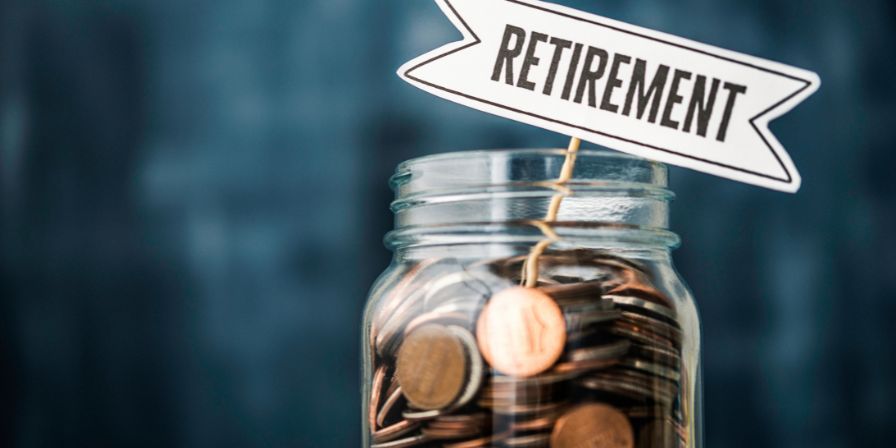
Common traps? Lifestyle inflation—our resources emphasize balanced saving (high-yields) and spending (wise cuts) for sustainability.
Best Ways to Save Smart in Your 50s
Focus on high-return, low-risk options when saving money in your 50s, like accounts with APYs over 4% amid 2025 rates.
Top accounts and tips for how to save for retirement in your 50s:
| High-Yield Savings (e.g., Ally, Capital One) | CDs or Money Markets | HSAs (if eligible) | Roth IRAs | |
| Best For | Emergency funds (quickly accessible cash for unexpected costs like car repairs) | Locked savings for retirement boosts or emergencies (use a “CD ladder” to stagger maturities for steady access without penalties) | Healthcare costs plus extra retirement savings (if you have a high-deductible health plan) | Tax-free growth and withdrawals in retirement (great for heirs too, as no required distributions) |
| Key Features for 50+ | Government-backed (FDIC-insured) up to $250,000 for safety Easy online access anytime, no penalties Low minimums (often $0 to start) | Higher fixed rates than regular savings, locked in Check-writing or debit card access (for money markets) FDIC-insured safety | Triple tax-free: Deduct contributions, grow tax-free, withdraw tax-free for medical (or after 59½ for any use) Extra $1,000 catch-up contributions if 55+ Can invest like a 401(k) | Post-50 contributions grow untaxed forever No required withdrawals at 73 (unlike traditional IRAs) 2025 limit: $7,000 ($8,000 if 50+) |
| APY (2025 Avg) | 4.0–4.5% (top rates up to 4.5%) | 3.8–4.5% (higher for longer terms; top up to 4.4%) | 4.0–5.0% (cash option; 7%+ if invested in stocks/funds) | Market-linked (historical avg. 7%; varies with stocks/bonds) |
| Wise Spend Tie-In | Auto-transfer savings from budgeted cuts (e.g., dining out) to build your 3–6 months’ emergency fund | Use matured CDs to pay off high-interest debt or boost retirement Ladder for penalty-free access every few months | Save on future medical costs (rising for 50+); rollover unused to retirement Pair with frugal health choices to maximize contributions | Fund with “wins” from simple budgeting (e.g., unused flex money) Grow tax-free for healthcare or legacy planning |
Dive Deeper:
- Best High Yield Savings Accounts: Reviews for saving money in your 50s.
- Best Ways to Save on Healthcare: Hacks like generic drugs, HSAs—cut $2K/year.
Quick Win: Audit subscriptions—cancel $100/month leaks to seed a high-yield account.
Guides to Save Smart and Spend Wise
Midlife strategies blend saving (automate) with spending wise (cut without sacrifice), perfect for how to save for retirement in your 50s.
Essential Guides:
- Saving for Retirement in Your 50s: Max catch-ups and employer matches. Summary: Aim 15–20% income; one example: $10K/year adds $150K by 65.
- Cutting Expenses in Your 50s: Spend wise audit—housing (refinance), dining (home meals).
- Emergency Funds in Your 50s: Build 6–12 months’ expenses in high-yield; ties to healthcare surprises.
- Spend Wisely: 7 Laws, 4 Buckets & 1 Decision at a Time.
Pro Tip: “Spend wise” first—cut 10% expenses to supercharge savings rates.
Calculators for Smart Saving
Tools quantify saving money in your 50s, revealing how cuts accelerate how to save for retirement.
Interactive Resources:
- Savings Calculator: See how fast you can reach your goals.
- Frugal Living Calculator: Eye opening insight into the impact of luxuries combined.
- Savings Simulator: See how small choice can result in big rewards.
Compound Interest Impact table:
| Monthly Cut/ Save | Years to 65 | Projected at 7% Return |
| $300 | 10 | $52,000 |
| $500 | 10 | $86,000 |
| $800 | 10 | $138,000 |
Common Mistakes in Saving Money in Your 50s
Low-Yield Traps
Keeping your savings in a traditional bank account that pays tiny interest, like 0.01% (almost nothing), is a missed opportunity. For example, if you have $10,000 in a regular savings account at 0.01%, you earn just $1 a year. High-yield savings accounts, which pay 4–5% interest (as of 2025), could earn you $400–500 a year on that same $10,000.
Over Commit and Burnout
Burnout can make you abandon your savings plan or make bad financial choices, like splurging impulsively after months of deprivation. Set goals you can attain.
Ignoring Taxes
Healthcare costs rise as you age, and in your 50s, you’re closer to retirement when medical expenses can eat into savings. Missing HSA contributions means paying more in taxes and missing out on tax-free growth. For example, contributing $4,150 to an HSA (2025 limit for individuals) could save you $1,000 in taxes if you’re in a 24% tax bracket.
Pro Tip: Going from broke to comfortably retired is almost never about a single decision or two. It’s about leveraging a lot of small choices, consistently, over time.
Frequently Asked Questions
How do I start saving money in your 50s if behind?
If you’re behind on saving for retirement in your 50s, start by assessing your finances and cutting wasteful expenses, like unused subscriptions, to free up cash. Automate transfers to a high-yield savings account or max out contributions to a 401(k) or IRA, using catch-up contributions (up to $7,500 extra for 401(k) in 2025). Prioritize healthcare by contributing to an HSA for tax-free medical savings, and invest in low-cost index funds for growth. Avoid burnout by keeping small, meaningful expenses, like a hobby, to stay motivated while saving consistently.
Best ways for how to save for retirement in your 50s on healthcare?
To save for retirement in your 50s with a focus on healthcare, maximize contributions to a Health Savings Account (HSA) if you have a high-deductible health plan, as it offers triple tax benefits: pre-tax contributions, tax-free growth, and tax-free withdrawals for medical expenses. Cut unnecessary expenses like unused subscriptions and automate transfers to your HSA or a high-yield savings account for future healthcare costs. Invest in preventative care, like regular checkups, to avoid costly treatments later, and consider long-term care insurance to protect your savings from high nursing home costs. These steps balance frugality with smart spending to secure your healthcare needs in retirement.
High-yield vs. stocks in 50s?
In your 50s, choosing between high-yield savings and stocks for retirement savings depends on your goals, but a balanced approach works best. High-yield savings accounts (4–5% interest in 2025) offer safety for emergency funds or near-term expenses, ensuring your money grows without risk. Stocks, like low-cost index funds, provide higher potential returns (7–10% annually) but come with market volatility, better suited for long-term growth. To catch up on savings, automate transfers to a high-yield account for short-term needs and invest in diversified stocks via a 401(k). Use a good portfolio strategy to build retirement funds.
How do I go from broke in my 50s to retired in my 60s?
Achieving retirement in your 60s after being broke in your 50s hinges on the power of consistent small choices rather than rare big wins. Saving an extra $1,800 yearly—perhaps from minor budget trims or automated transfers—and investing it at 10% annual returns grows to over $30,000 in a decade. Leveraging a zero-based budget almost always frees up $500 to $1,000 in additional savings each month; at $750 monthly invested over 10 years with 10% returns, that compounds to more than $136,000. These micro-decisions—budget tweaks, side gigs, and automated savings—stack exponentially through compounding interest and habit formation, turning a decade of discipline into financial independence without relying on lottery-like windfalls.
Take Action: Save Smart Today
Build habits for saving money in your 50s. Start with a zero-based budget to identify waste and redirect to your retirement savings.


