
Guide to Emergency Funds in Your 50s
Stress Less, Save More: Start Your Emergency Fund Today
This website contains affiliate links, meaning we may earn a commission for purchases made through these links, at no extra cost to you. Our opinions are principled, original and our own. See how we make money. Thank you for your support.
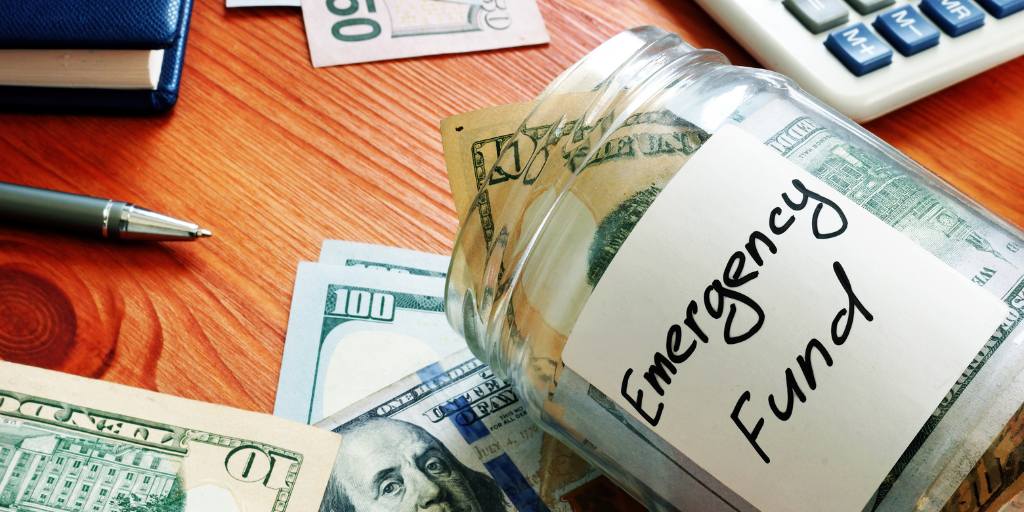
Life is unpredictable. A sudden medical bill, a car repair, or an unexpected job loss can throw your finances into chaos. That’s where an emergency fund comes in—a dedicated savings account designed to cover life’s unexpected expenses and provide peace of mind. At Budget Coach USA, we believe an emergency fund is the cornerstone of financial stability. This comprehensive guide will walk you through why you need an emergency fund, how much to save, where to keep it, and how to build it step by step.
Back to: Save Smart Spend Wise Explore More in this Series: Saving for Retirement | Cutting Expenses | Spending Wisely | Emergency Funds
Key Takeaways
- An emergency fund is crucial for handling unexpected expenses like medical bills, car repairs, and job loss.
- Aim to save 3-6 months of living expenses, adjusting based on your job stability and financial responsibilities.
- Keep your emergency fund in safe, accessible options like high-yield savings accounts, avoiding risky investments and checking accounts.
- To build your fund, start small, automate savings, and redirect windfalls like tax refunds into it.
- Only use your emergency fund for true emergencies, and avoid non-emergency expenses to ensure it serves its purpose.
Why You Need an Emergency Fund
An emergency fund acts as a financial buffer, helping you navigate life’s surprises without derailing your budget or plunging into debt. Here are some reasons why it’s essential:
- Covers Unexpected Expenses: From medical emergencies to home repairs, an emergency fund ensures you can handle costs without relying on credit cards or loans.
- Protects Against Job Loss: If you lose your income, an emergency fund can cover essentials like rent, groceries, and utilities while you search for new opportunities.
- Reduces Financial Stress: Knowing you have a safety net can ease anxiety and help you focus on long-term financial goals.
According to a 2023 Federal Reserve survey, 40% of Americans couldn’t cover a $400 emergency expense without borrowing or selling something. An emergency fund can help you avoid becoming part of that statistic.
How Much Should You Save?
The general rule of thumb is to save 3–6 months’ worth of living expenses in your emergency fund. However, the exact amount depends on your circumstances:
- Stable Income: If you have a steady job and few dependents, 3 months’ expenses may be sufficient.
- Variable Income or Dependents: Freelancers, single parents, or those with unstable jobs should aim for 6–12 months.
- High-Risk Situations: If you’re in a volatile industry or have significant financial responsibilities, consider a larger fund.
To determine your target, calculate your monthly expenses using our free zero-based budget calculator (e.g., rent, utilities, groceries, insurance) and multiply by the number of months you want to cover. For example, if your monthly expenses are $3,000, aim for $9,000–$18,000.
Pro Tip: Start with a smaller goal, like $1,000, to build momentum, then gradually work toward your full target.
Where to Keep Your Emergency Fund
Your emergency fund should be safe, accessible, and separate from your regular checking account.
Here are the best options:
- High-Yield Savings Accounts: These offer higher interest rates than traditional savings accounts while keeping your money liquid. Look for accounts with no fees and easy access. Here’s a list of high yield savings accounts from Nerd Wallet.
- Money Market Accounts: Similar to high-yield savings, these accounts often provide check-writing privileges for quick access. Best money market accounts according to Bank Rate.
- Certificates of Deposit (CDs): Only use CDs if they have no penalties for early withdrawal, as you’ll need flexibility in emergencies.
Places to Avoid:
- Stocks or Investments: The stock market is too volatile for emergency funds.
- Checking Accounts: Mixing your emergency fund with everyday spending increases the risk of dipping into it unnecessarily.
- Hard-to-Access Accounts: Avoid accounts with withdrawal restrictions or delays.
How to Build Your Emergency Fund
Building an emergency fund may seem daunting, but with a clear plan, it’s achievable. Follow these steps:
Assess Your Expenses:
Review your monthly spending to understand how much you need to live. Use budgeting tools or apps to track expenses.
Set a Monthly Savings Goal:
Decide how much you can save each month. Even $50–$100 adds up over time.
Automate Your Savings:
Set up automatic transfers to your emergency fund account right after payday to prioritize saving.
Cut Unnecessary Expenses:
Trim subscriptions, dining out, or impulse purchases to free up cash for your fund.
Use Windfalls Wisely:
Direct tax refunds, bonuses, or side hustle income to your emergency fund.
Start Small:
If you’re starting from zero, aim for $500 or $1,000 as a mini-fund, then build from there.
Pro Tip: Treat your emergency fund like a bill—pay it consistently into a sinking fund to stay on track. Sinking funds explained.
When to Use Your Emergency Fund
An emergency fund is for true emergencies—events that are unexpected, urgent, and necessary.
Examples include:
- Medical emergencies (e.g., hospital bills, urgent care visits).
- Car or home repairs (e.g., a broken furnace or flat tire).
- Job loss or reduced income.
- Essential travel (e.g., attending a family member’s funeral).
What’s Not an Emergency:
- Vacations or luxury purchases.
- Routine expenses like holiday gifts or car maintenance.
- Impulse buys or non-essential upgrades.
If you use your emergency fund, prioritize replenishing it as soon as possible. Adjust your budget to redirect funds until it’s back to your target amount.
Common Mistakes to Avoid
Avoid these pitfalls to ensure your emergency fund serves its purpose:
- Not Having One: Without a safety net, you’re vulnerable to debt or financial ruin.
- Keeping It in Risky Investments: Stocks or crypto can lose value, making them unreliable for emergencies.
- Using It for Non-Emergencies: Dipping into your fund for wants rather than needs depletes your safety net.
- Not Adjusting for Life Changes: Update your fund’s target as your expenses or responsibilities change (e.g., marriage, kids, or a new job).
Conclusion
An emergency fund is your financial lifeline, protecting you from life’s uncertainties and helping you stay on track toward your goals. By starting small, choosing the right account, and staying consistent, you can build a robust safety net that brings peace of mind. At Budget Coach USA, we’re here to help you take control of your finances. Ready to start building your emergency fund or need personalized guidance? Contact us today for expert coaching tailored to your needs!
Back to: Save Smart Spend Wise